The Railway Bell
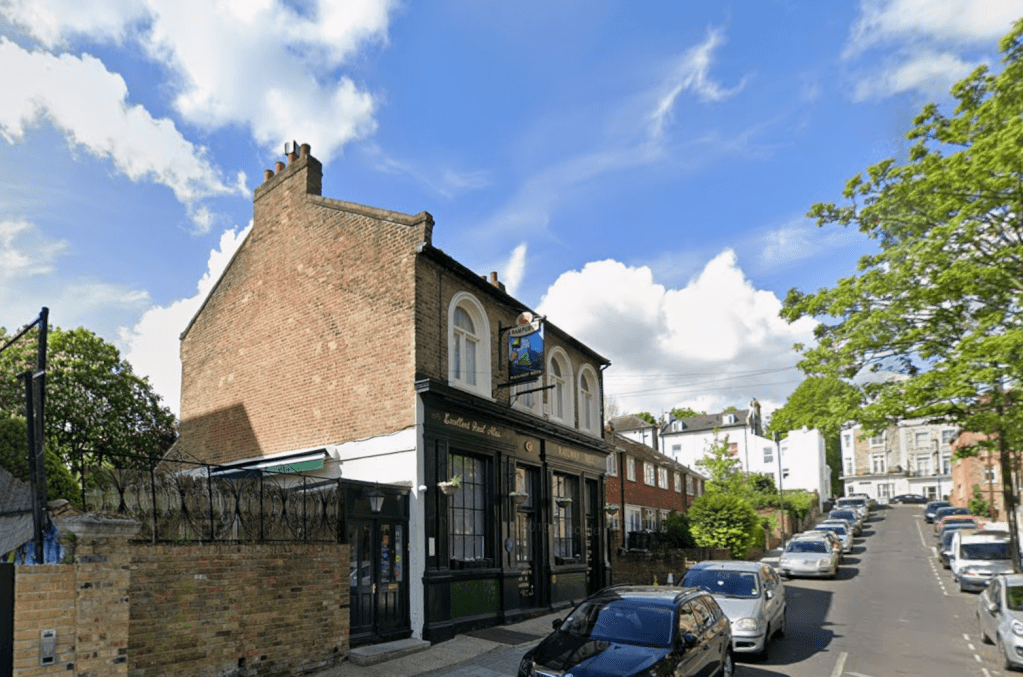
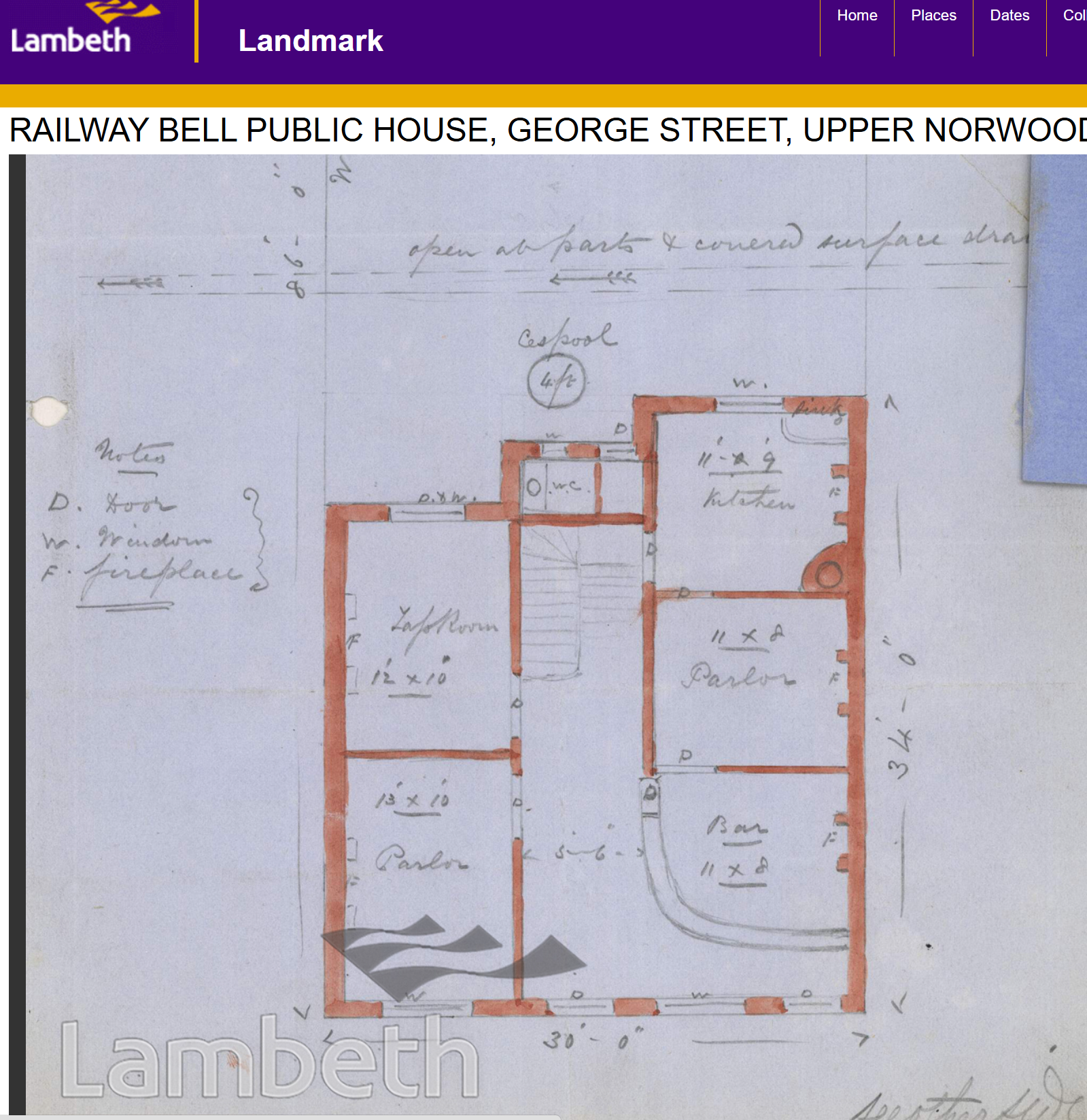
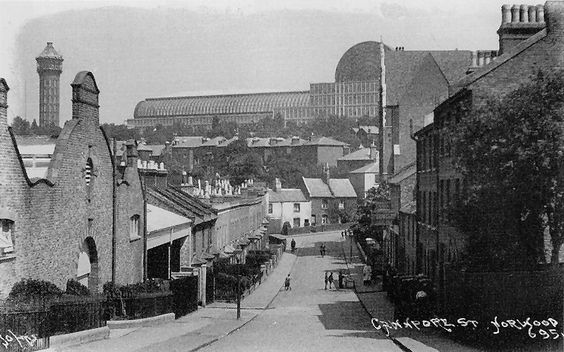
The pub as we know it was built in 1864/65 in what was then George Street. It is now the only surviving original building in Cawnpore Street — a rare mid-Victorian 2 story “cottage pub” in London stock brick, with its original stable block still standing at the rear. The plans show to be built by Frank Mitchell of Stockfield Works, Streatham, showing the plans including a bar, parlour, tap room and kitchen. It was built to serve the new suburb around Gipsy Hill and Crystal Palace, which grew rapidly after Gipsy Hill Station opened on 30 October 1856. The Crystal Palace High Level rail station terminus also opened nearby on 1 August 1865.
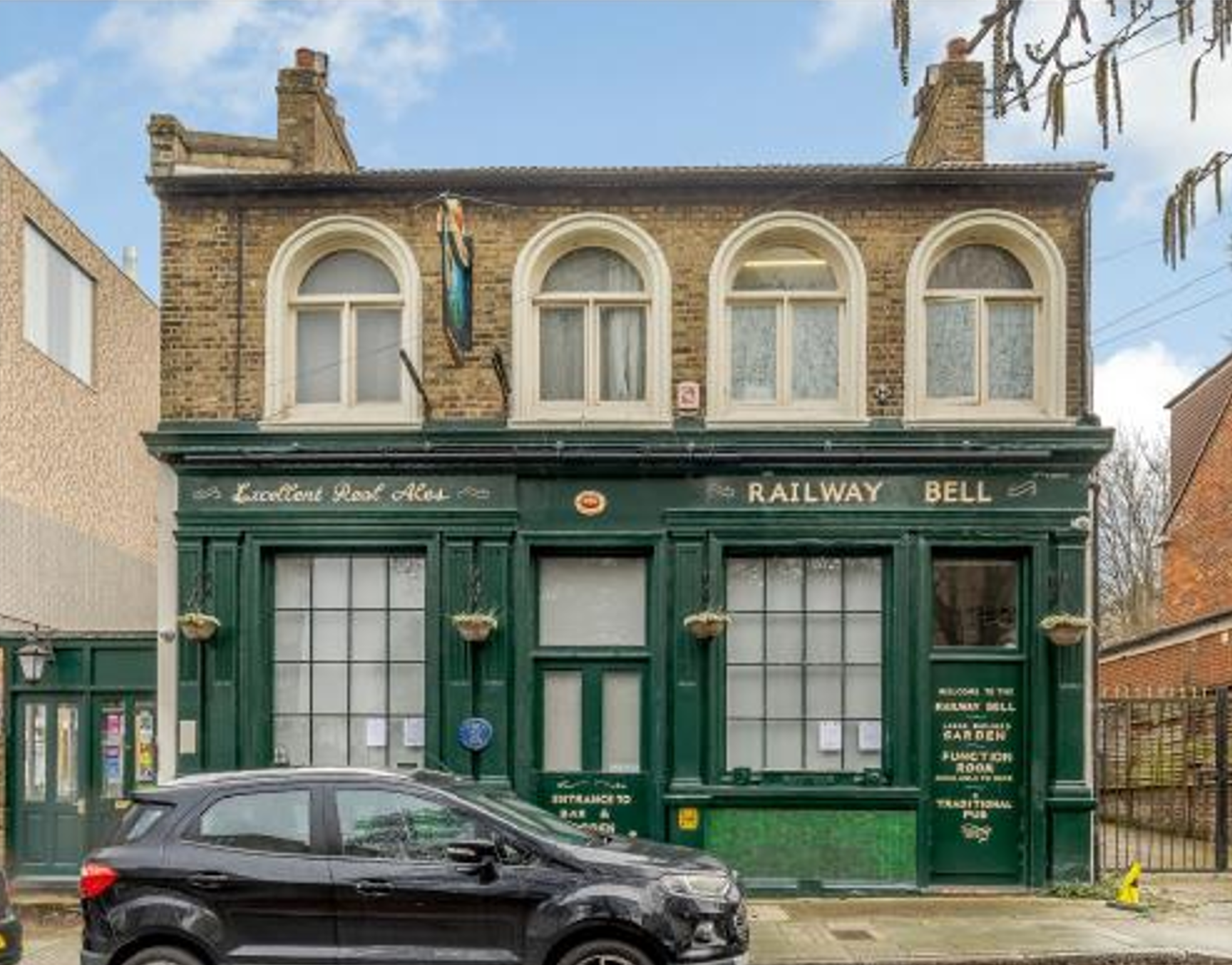
The Railway Bell is “Locally Listed” by Lambeth: Railway Bell Hotel, 14 Cawnpore St, SE19 1PF Two-storey ‘cottage’ PH. Mid 19th century. Original pub front – two sets of doors, two windows framed in stucco pilasters and cornice. Stock brick. Casement windows with round heads.
Thomas Barton — Builder and Publican
Thomas Barton is part of the story. In October 1868 he appeared in the Bankruptcy Court, with unsecured debts of £629 and secured debts of £5,241 18s. He was described in court as “of Upper Norwood, builder and publican.” He “had been engaged in large building transactions” and “it was his custom to mortgage the houses whilst in course of erection.” The Railway Bell beer-house licences were surrendered as part of the bankruptcy settlement.
Harriet Wickenden — A Remarkable Victorian Woman
The pub’s first landlady was Harriet Wickenden, a twice-widowed woman who owned the building outright. It ran as a beer house, with newspaper reports confirming this since 1866. Over 10 years between 1866 and 1875, she applied for a full publican’s licence (wine and spirits) and was refused each time for which we have a record. After years of persistence, including opposition from a rival victualler, she finally was awarded her licence in March 1877, sadly only to die at the Railway Bell on 22 August 1877. Her story is documented across ten Victorian newspaper sources.
The Stabling
The Railway Bell was not just a pub — it was also a working stable. As early as 1867, Harriet’s husband was recorded as a carman — a horse-drawn carrier whose trade would have required stabling for horses. By 1877 the stabling was described in the auction notice as capable of realising “easily 6s. per week” — a distinct commercial income stream. In April 1897 the pub was still advertising “Good Stabling To Let” in the Norwood Review.
A Community Hub from the Start
From its earliest days the Railway Bell was at the heart of local life. The Crystal Palace Yearly Benefit Club was founded here in 1866. The Odd Fellows Lodge held their anniversary dinner here in 1871, with Harriet described as “the worthy hostess.” Weekly smoking concerts packed “the large room” in 1886. Inquests, benefit societies, and convivial dinners — this pub was where the community gathered.
The Curious Tale of George Wickenden
George Wickenden — carman and one of Harriet’s named executors in her probate record — appears to have had a colourful side. The Norwood News of Saturday 16 December 1876 reported: DRUNK AND DISORDERLY AND RESISTING THE POLICE. On Saturday last, George Wickenden, of the Railway Bell, George-street, a tall powerful fellow, was charged with being drunk and disorderly in the Alma public house, Church-street, Upper Norwood, and refusing to leave when requested, and also with assaulting P.-s. Grose. After a large amount of evidence having been given, in which it appeared that Wickenden was the main cause of the disturbance through having taken his horse into the bar of the Alma, the Bench fined Wickenden 40s. and 11s. costs for being drunk and disorderly, and 40s. and 11s. costs for resisting the police in the execution of their duty.
Following Harriet’s Death
Following Harriet’s death, her executors advertised the Railway Bell for sale by public competition on 11 December 1877 at the Masons’ Hall Tavern, Basinghall Street. The notice described it as “well-built, commodious, and of modern construction”, adding that “the trade is only in its infancy, which must necessarily leave for the purchaser a golden future.” Reported Morning Advertiser, Tuesday 11 December 1877 sale withdrawn by order of the Executors, with ongoing later news items seen showing the Railway Bell was kept in use.
Young & Co’s Brewery
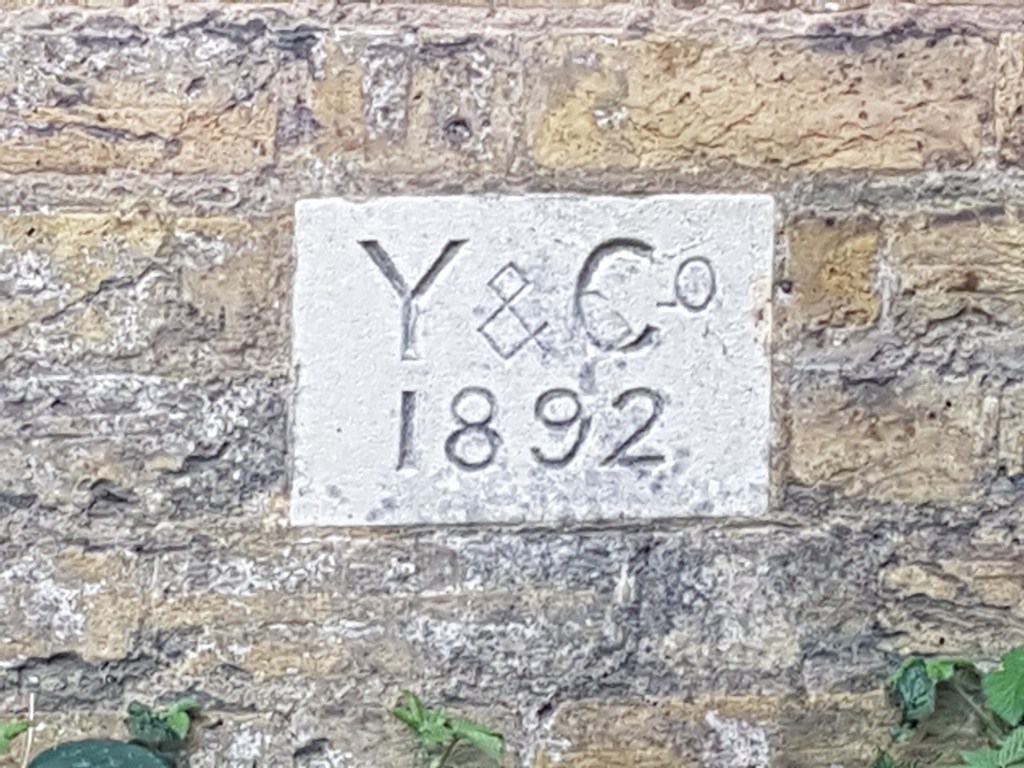
Young & Co purchased the freehold in 1885. Seven years later their 1892 datestone — the distinctive diamond-and-cross mark of the Wandsworth brewery — was set into the stable block wall, where it remains today. John Thomas Olive, George Blanden, and Frederick Williams all kept the pub trading through this period, with the licence passing through several hands into the early twentieth century.
Cawnpore Street
The pub’s address changed in 1913/1914 when its original George Street name was renamed Cawnpore Street.
Pub Landlord and Landladies of the Railway Bell
List being is compiled checked. Please do get in contact to help. railwaybellfriends@gmail.com
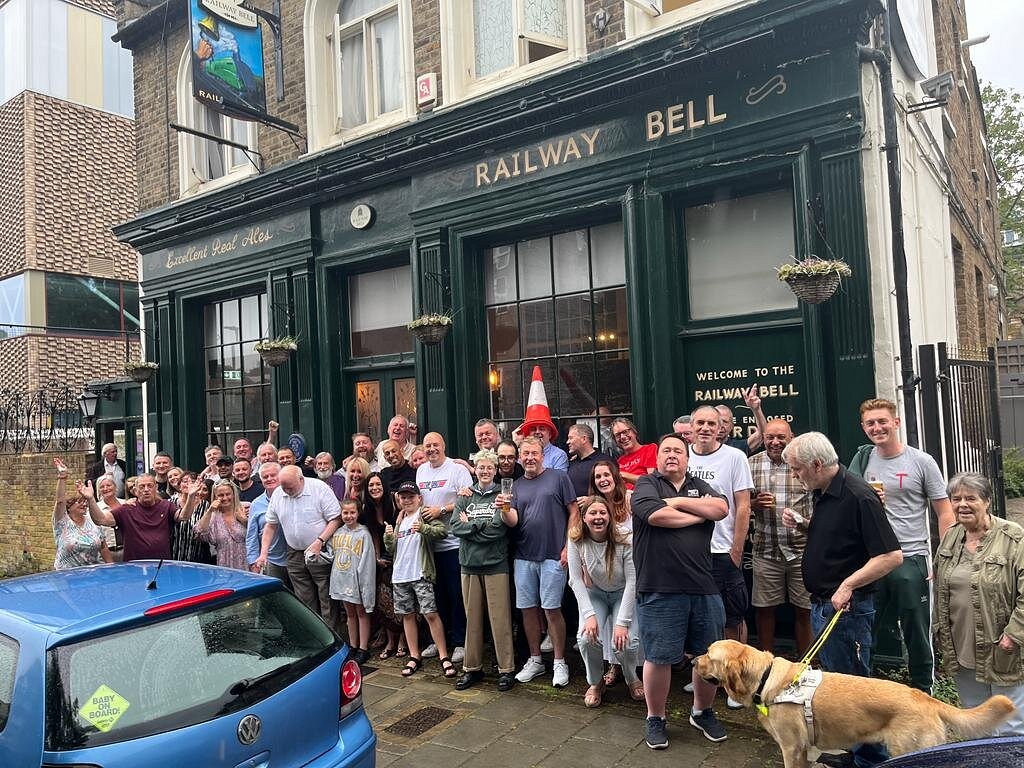
Pub was closed June 2023 (reported here by News from Crystal Palace)
With a heart so heavy and eyes full of tears, we regrettably announce our time at the Railway Bell has come to an end, (End of Lease). The property has been purchased by new owners. Sunday 18th June 2023 will be our last trading day, we have always maintained this pub for the community with its rich history & running a business was secondary. We hope and pray the new owners keep the Railway Bell as a public house and continue to serve our beautiful community.
Love and always yours, Danny
Photo Patrick Slater:
Friends of the Railway Bell contact: railwaybellfriends@gmail.com
 Friends of the Railway Bell